
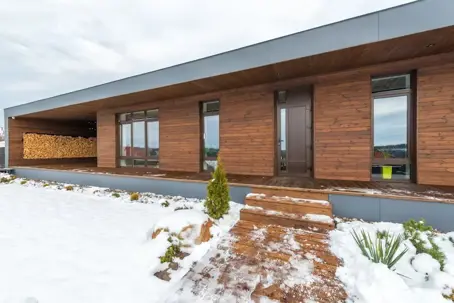
Energy efficiency is a crucial aspect in today’s world, especially in regions like Western Wyoming where climate conditions can impact utility costs. Commercial glass solutions can play a significant role in enhancing energy efficiency for buildings. This blog will explore the different types of commercial glass, their benefits, and how they can be leveraged to improve energy efficiency effectively.

Understanding Commercial Glass Solutions
Commercial glass refers to specially engineered glass products designed for use in buildings and other structures. These solutions are engineered to provide improved insulation, reduce energy costs, and enhance natural lighting. Understanding how these solutions work is essential for appreciating their impact on energy efficiency.
At its core, commercial glass is about balancing aesthetics and functionality. The right glass can transform a building, making it not only beautiful but also more energy-efficient. This duality makes commercial glass an exciting area of exploration for builders, architects, and property owners.
Another key aspect to consider is the advancements in glass technology. Modern commercial glass solutions use a variety of coatings and treatments to improve thermal performance and reduce glare. These innovations are crucial for meeting the increasing demand for energy-efficient buildings in Western Wyoming.
Types of Commercial Glass and Their Benefits
There are several types of commercial glass available, each offering unique benefits. For instance, low-emissivity (Low-E) glass is designed to reflect infrared energy while allowing natural light to pass through. This capability significantly reduces heating and cooling costs, making it a popular choice for energy-conscious organizations.
Insulated glass units (IGUs) are another option, combining multiple glass panes with a space filled with gas. These units provide exceptional insulation properties and help maintain a stable indoor climate. By investing in IGUs, businesses can see substantial savings on their energy bills over time.
Additionally, there is tempered glass, which undergoes a special heating process to increase its strength. This type of glass not only enhances safety but also improves energy efficiency by maintaining consistent temperatures. As you can see, each type of glass serves a purpose that can greatly aid in energy conservation.
How Commercial Glass Enhances Energy Efficiency
Commercial glass solutions enhance energy efficiency in multiple ways. One of the primary benefits lies in their ability to minimize heat transfer. By using advanced glass technology, buildings can effectively trap heat in winter and block it during summer, leading to a more comfortable environment year-round.
Moreover, improved natural light penetration means less reliance on artificial lighting, which further drives down energy costs. Natural daylight has been shown to increase productivity as well, making it a win-win for business owners looking to boost employee morale while saving on energy expenses.
It’s essential to consider how commercial glass works in conjunction with other building materials. A well-designed facade with adequate glass can complement insulation and HVAC systems. Together, these elements contribute to a cohesive and energy-efficient building strategy.
Case Studies: Successful Implementations in Western Wyoming
In Western Wyoming, several businesses have successfully implemented commercial glass solutions to improve their energy efficiency. One notable case involved a retail store that replaced traditional windows with Low-E glass. As a result, they reported a reduction of 30% in heating costs during the harsh winter months.
Another example is a local office building that used insulated glass units for its facade. This upgrade not only improved energy efficiency but also created a more appealing aesthetic, attracting new tenants looking for modern amenities. The owner reported that the investment paid for itself within three years.
These case studies highlight the tangible benefits of adopting commercial glass solutions. As energy costs continue to climb, businesses that invest in modern glass technologies will likely see a return on investment through lowered utility bills and enhanced property values.
Choosing the Right Commercial Glass Solution for Your Needs
When it comes to selecting the right commercial glass solution, it’s essential to evaluate your specific needs and goals. Consider factors like climate, building orientation, and the purpose of the space you are designing. This will help guide you in choosing between options like Low-E glass or insulated glass units.
Moreover, consulting with professionals who specialize in commercial glass can provide invaluable insights. Experts can help you evaluate different products, ensuring you select the most efficient solution for your building type and location. It’s critical to factor in not just energy savings but also durability and maintenance.
Ultimately, the best choice will align with your long-term sustainability goals while providing immediate energy savings. Adopting commercial glass solutions should be considered a strategic investment in the future of your business.
Final Thoughts on Energy Efficiency
In summary, commercial glass solutions can indeed improve energy efficiency in Western Wyoming. By choosing the right type of glass and integrating it effectively into building design, businesses can achieve significant energy savings while contributing to a more sustainable environment. It’s essential for business owners and property managers to consider these solutions to not only reduce their energy costs but also enhance the comfort of their spaces.
The post Can Commercial Glass Solutions Improve Energy Efficiency in Western Wyoming? appeared first on Cherry Glass & Aluminum.