
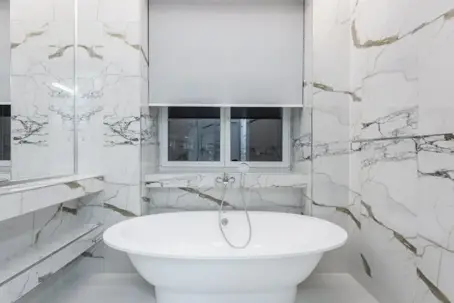
Choosing the right material for your tub enclosure is essential for both functionality and aesthetics. With a variety of options available, it can be overwhelming to decide which materials offer the best combination of durability, maintenance, and style. In this guide, we will explore the top materials used for tub enclosures, highlighting the pros and cons of each to help you make an informed decision for your bathroom renovations.
 551-5095a3d67)
Understanding Tub Enclosure Materials
When it comes to tub enclosures, selecting the right material is crucial. Each option available has distinct properties that cater to various preferences and needs. Understanding these materials will empower you to make a choice that enhances your bathroom and complements your lifestyle.
The main materials you’ll encounter are glass, acrylic, fiberglass, tile, and wood. Each has its unique strengths, which we will explore shortly. Keeping factors such as maintenance, durability, and aesthetics in mind will lead you to the best decision for your home.
In this section, we’ll dive deeper into the characteristics of these materials, helping you narrow down your options. Whether you prioritize cost, ease of installation, or visual appeal, understanding the basics of each material will guide you toward a suitable tub enclosure.
Glass: A Popular Choice
Glass is a standout contender for tub enclosures, exuding elegance and a modern touch. It allows natural light to flow through while providing a clear view of the bathtub, which can make even a small bathroom feel more spacious.
One major advantage of glass is its ease of maintenance. Unlike some other materials, glass surfaces can often be cleaned with just a squeegee and are resistant to mold growth. However, it’s important to choose tempered glass for safety, as it is less likely to shatter upon impact.
Despite these benefits, glass does have some drawbacks. For instance, it can be more expensive upfront than other materials. Additionally, if not treated properly, it can show water spots and fingerprints, which may require periodic cleaning. Overall, choosing glass can elevate your bathroom aesthetic tremendously.
Acrylic: Affordable and Versatile
Acrylic is an excellent option for those seeking affordability without sacrificing quality. Lightweight and flexible, acrylic tub enclosures are available in a wide range of colors and designs, making them a versatile choice for various decor styles.
One of the primary benefits of acrylic is its resistance to chipping and cracking, making it a durable long-term option. Furthermore, it is relatively low-maintenance; most of the time, a simple wipe-down with soap and water is sufficient.
However, while acrylic is sturdy, it can be scratched more easily than glass or tile. Over time, these scratches may dull the surface, diminishing its visual appeal. Still, for budget-conscious homeowners, acrylic remains a popular and practical choice, capable of competing with more expensive materials.
Fiberglass: Lightweight and Robust
Fiberglass is another lightweight option that you may want to consider for your tub enclosure. This material is not only easy to install but also resistant to chipping, making it a robust choice for a busy bathroom.
A significant advantage of fiberglass is its affordability. Priced competitively, it provides a fantastic alternative for those working within a budget while still maintaining excellent durability. Moreover, like acrylic, it can be molded into various shapes and sizes to fit your space.
On the downside, fiberglass surfaces can develop discoloration over time, especially in areas with hard water. Regular cleaning and the use of specific cleaning products can help mitigate this issue. With proper care, fiberglass can serve as a practical and cost-effective solution for your tub enclosure needs.
Tile: Timeless and Customizable
Tile offers a classic and timeless solution for tub enclosures, allowing for extensive customization through color, size, and layout. With countless options available, tile can cater to any design theme, from modern minimalism to rustic charm.
One of the defining perks of tile is its durability. Properly installed and sealed, tile can withstand moisture and stand the test of time. Additionally, it can be more resistant to scratches and stains compared to other materials.
Nonetheless, tile does require more maintenance than other materials. The grout lines can accumulate mold or mildew, necessitating regular cleaning and resealing. The initial installation can also be labor-intensive and may require a professional, making it a more significant investment up front.
Wood: Unique and Stylish
For an uncommon yet stunning approach, consider wood for your tub enclosure. Wooden enclosures bring warmth and character to a bathroom, seamlessly integrating with natural decor elements. They make a unique statement that is hard to replicate with synthetic materials.
However, it’s crucial to choose treated, water-resistant wood to prevent damage from moisture. Teak and cedar are popular choices due to their natural resistance to water and decay. When maintained properly, a wooden enclosure can remain beautiful and functional for years.
Overall, while wood may require more attention than composites, the cozy, organic feel it provides can greatly transform your bathroom into a spa-like retreat.
Evaluating Durability and Maintenance
Durability and maintenance are crucial factors when selecting your tub enclosure material. A durable option will not only withstand the daily wear and tear but will also maintain its beauty over time, making it a worthwhile investment.
In general, glass and tile are known for their durability. Glass is resistant to stains while tile can endure scratches. However, tile requires careful attention to grout maintenance. Acrylic and fiberglass offer lower initial costs and great flexibility but may require more frequent replacements if scratched.
Wood, while stunning, requires regular care to prevent water damage, which adds to the maintenance burden. Ultimately, you must balance your desire for a beautiful appearance with practicality to choose the right material for your lifestyle.
Making Your Choice
Making a decision about tub enclosure materials can currently feel daunting, but taking a structured approach can simplify the process. Begin by determining your needs in terms of budget, style, and maintenance.
Once you have clarity, you can weigh the pros and cons of each material we’ve discussed. Visualize how each choice aligns with your bathroom’s existing decor and how much time you’re willing to dedicate to upkeep.
Remember, the right choice doesn’t have to be the most expensive. It simply has to fit your unique preferences and requirements. After all, your bathroom is a personal sanctuary, and your tub enclosure should reflect that ethos beautifully.
Final Thoughts on Tub Enclosure Materials
In summary, selecting the best material for your tub enclosure hinges on your specific needs, preferences, and budget. Whether you lean towards the timeless look of glass, the affordability of acrylic, or the classic charm of wood, the ideal choice will blend style with practicality. Remember to factor in maintenance and longevity to ensure your tub enclosure remains a stunning feature of your bathroom for years to come.
The post What Materials Are Best for Tub Enclosures? appeared first on Cherry Glass & Aluminum.