
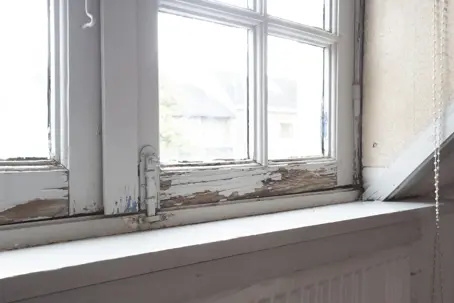
You notice it first on a cold winter morning. Even with the heat running, there's a chilly draft near the living room window. Maybe you've started seeing fog between the panes, or opening a window has become more of a struggle every season. At first, these seem like small inconveniences, but they often point to a window that's no longer performing the way it should.
In Eastern Idaho, windows work harder than they do in many other parts of the country. Long winters, dramatic temperature swings, strong UV exposure at higher elevations, and repeated freeze-thaw cycles all take a toll on window frames, seals, and insulated glass. A window that might last decades in a milder climate can begin showing signs of wear much sooner here.
Knowing when a repair is enough and when replacement makes more sense can help you avoid rising energy costs, moisture problems, and more extensive repairs down the road.
Age Matters—But It Isn't the Whole Story
Many homeowners assume windows should simply be replaced once they reach a certain age. While that's a helpful starting point, age alone rarely tells the full story.
Most modern residential windows are designed to last between 15 and 30 years, depending on the frame material, installation quality, and local climate. In Idaho Falls and surrounding communities, environmental conditions often shorten that timeline.
High elevation means more intense UV exposure, which gradually breaks down vinyl, sealants, and protective coatings. Winter temperatures regularly swing from below zero to above freezing, causing every component of the window to repeatedly expand and contract. Over time, those constant movements weaken seals, corners, and caulking.
Different frame materials also age differently.
- Vinyl windows generally offer excellent efficiency but can become brittle after years of sun exposure and freeze-thaw cycling.
- Wood windows can last for decades with regular maintenance, though neglected paint or finish allows moisture to enter, leading to swelling and rot.
- Aluminum frames are durable but conduct heat easily, making them more susceptible to condensation during Idaho winters.
Rather than focusing only on the installation date, pay attention to how your windows are performing today.
Common Signs Your Windows May Need Replacement
Most homeowners don't experience complete window failure overnight. Instead, small issues gradually become more noticeable until comfort, efficiency, and functionality begin to suffer.
Persistent Drafts
A properly closed and locked window shouldn't allow noticeable air movement indoors.
If you consistently feel cold air around the frame during winter—even after replacing weatherstripping—it may indicate that the frame has shifted, warped, or no longer seals properly.
One draft isn't always a reason to replace a window. However, when multiple windows throughout the home have similar problems, replacement often provides a longer-lasting solution than repeated repairs.
Fog Between Glass Panes
Not all condensation means your windows have failed.
Moisture on the outside of the glass during cool mornings is actually a sign that the insulated glass is doing its job. Interior condensation can sometimes point to high indoor humidity rather than a defective window.
The real concern is condensation trapped between panes of glass.
Modern double- and triple-pane windows rely on a sealed insulated glass unit (IGU) filled with insulating gas such as argon. Once that seal breaks, moisture enters the space between the panes, creating permanent fogging that cannot simply be wiped away.
Once the seal has failed, replacing the insulated glass—or in many cases, the entire window—is typically the only long-term fix.
Rising Utility Bills
Heating costs naturally fluctuate from year to year, but steadily increasing utility bills without another obvious cause may point toward aging windows.
According to the U.S. Department of Energy, heat gained and lost through windows accounts for 25% to 30% of residential heating and cooling energy use, making inefficient windows one of the biggest contributors to unnecessary energy consumption.
Older single-pane windows, deteriorated seals, and outdated glazing allow conditioned air to escape while outdoor temperatures work harder against your HVAC system.
Windows That No Longer Operate Smoothly
Windows should open easily, stay open when intended, and lock securely.
If they stick, refuse to stay open, or require excessive force, the issue may be more than worn hardware.
Frames can gradually shift because of moisture exposure, seasonal movement, or years of expansion and contraction. While broken latches or balances can sometimes be repaired, warped frames often signal it's time to consider replacement.
Operational issues also affect safety. During an emergency, every window should open without hesitation.
Visible Damage Around the Frame
Some cosmetic wear is expected over time.
Peeling paint or minor caulk deterioration can usually be addressed with maintenance. More serious damage deserves closer attention.
Watch for:
- Soft or spongy wood
- Cracked or warped frames
- Corrosion on aluminum components
- Water stains around the interior trim
- Gaps forming between the window and the surrounding wall
These issues often indicate moisture intrusion that extends beyond the window itself.
Why Windows Wear Out Faster in Eastern Idaho
Climate plays a larger role in window lifespan than many homeowners realize.
Homes throughout Idaho Falls experience long winters, dry summers, significant daily temperature swings, and higher-than-average UV exposure because of the region's elevation.
Those conditions place constant stress on every part of a window system.
Freeze-Thaw Cycles Add Constant Stress
Throughout winter, moisture repeatedly freezes overnight and melts during warmer daytime temperatures.
As materials expand and contract, tiny movements occur between glass, frames, caulking, and surrounding trim. Individually, these movements are small. After hundreds of cycles over many years, they begin to separate seals and open pathways for air and moisture.
Homeowners often notice these problems first:
- Small drafts
- Cracked exterior caulk
- Water stains after storms
- Loose trim
- Increased condensation
Ignoring these early warning signs allows moisture to work farther into the surrounding framing, where repairs become more expensive than replacing the window itself.
High-Elevation Sun Accelerates Aging
Many people associate UV damage with hotter climates, but elevation has a significant impact as well.
Idaho Falls sits at approximately 4,700 feet above sea level, exposing homes to considerably stronger ultraviolet radiation than lower elevations.
Years of intense sunlight gradually break down:
- Window sealants
- Vinyl materials
- Protective coatings
- Insulated glass seals
As those components deteriorate, windows become less effective at insulating your home, even if they still appear to be in good condition from the inside.
Moisture Doesn't Always Stay Visible
One of the biggest concerns isn't the water you can see—it's the water you can't.
Small openings around aging windows may allow rain or melting snow to enter wall cavities without immediately showing signs indoors.
Over time, hidden moisture can affect insulation, framing, and interior finishes before homeowners realize there's a problem.
That's one reason why fogging between panes, recurring drafts, or soft trim should never be dismissed as simple cosmetic issues.
Repair or Replace? Here's How to Decide
One of the most common questions homeowners ask is whether a window can be repaired or if replacing it is the better investment. The answer depends on what's causing the problem.
Repairs May Be Enough If…
Not every issue requires a brand-new window. If the damage is isolated and the frame remains structurally sound, repairs can often extend the window's life.
Repair is usually worth considering when you have:
- Worn or damaged weatherstripping
- Broken locks, cranks, or window balances
- Minor caulk failure around the frame
- A single cracked pane in an otherwise healthy, newer window
These types of repairs are generally straightforward and can restore proper operation without replacing the entire unit.
Replacement Is Often the Smarter Choice When…
Some problems affect the overall performance of the window, making repeated repairs less practical.
Replacement becomes the better long-term solution if you notice:
- Persistent fogging between double- or triple-pane glass
- Rotting or warped frames
- Significant corrosion
- Multiple windows showing the same issues
- Air leaks that continue after repairs
- Repair costs approaching the price of a new window
If several windows were installed around the same time, it's common for them to begin failing within a few years of one another. Replacing them together often improves your home's appearance, comfort, and energy efficiency more consistently than replacing one window at a time.
Modern Replacement Windows Offer More Than Just New Glass
Window technology has changed significantly over the past two decades.
Today's residential windows are designed to perform better in demanding climates like Eastern Idaho while requiring less maintenance than older models.
Depending on the product you choose, modern replacement windows may include:
- Low-E glass coatings that reflect unwanted heat
- Argon gas-filled insulated glass units for improved thermal performance
- Improved weatherstripping and tighter seals
- Better UV protection for flooring and furniture
- Vinyl frames that require little maintenance
- Enhanced locking systems for improved security
These features work together to reduce drafts, improve indoor comfort, and help your heating and cooling system operate more efficiently throughout the year.
Idaho Homeowners May Qualify for Energy Efficiency Incentives
Replacing aging windows isn't only about comfort—it can also make financial sense.
Idaho Falls Power offers programs that may help homeowners offset the cost of qualifying energy-efficient window replacements. Eligible products typically must meet specific performance standards, including a U-factor of 0.30 or lower, which measures how effectively a window resists heat transfer.
Depending on eligibility requirements, homeowners may qualify for rebates or financing options that make upgrading windows more affordable.
If you're considering replacement, it's worth checking current program requirements before beginning your project.
Don't Ignore Small Window Problems
Most window failures don't happen all at once.
A slight draft becomes a larger air leak. A little condensation turns into permanent fogging. A sticky window eventually refuses to open when you need it most.
Addressing these issues early often prevents additional damage to surrounding trim, insulation, and wall framing.
If your windows are becoming less comfortable, harder to operate, or showing visible signs of wear, it's worth having them evaluated before another Idaho winter puts them under even more stress.
Know When It's Time to Make the Change
Windows play a bigger role in your home's comfort than many people realize. They help regulate indoor temperatures, protect against the elements, and contribute to your home's overall energy efficiency.
When drafts, failed seals, damaged frames, or operating issues become recurring problems, replacement is often the more practical long-term solution—especially in Eastern Idaho's demanding climate.
Whether you're replacing one aging window or planning a whole-home upgrade, choosing the right products and ensuring they're installed correctly can make a noticeable difference for years to come.
If you're unsure whether your windows can be repaired or it's time for replacement, the team at Cherry Glass & Aluminum can help you evaluate your options. We offer window replacement, window installation, residential windows, and glass repair tailored to the needs of local homeowners.
Ready to improve your home's comfort and efficiency?
Contact Cherry Glass & Aluminum today at (208) 551-5095 or schedule your window consultation today.